The Advantages that Pope Leo XIV has over other modern Popes
Fr John Sullivan OSA, Villanova College, Brisbane, 19 July 2025
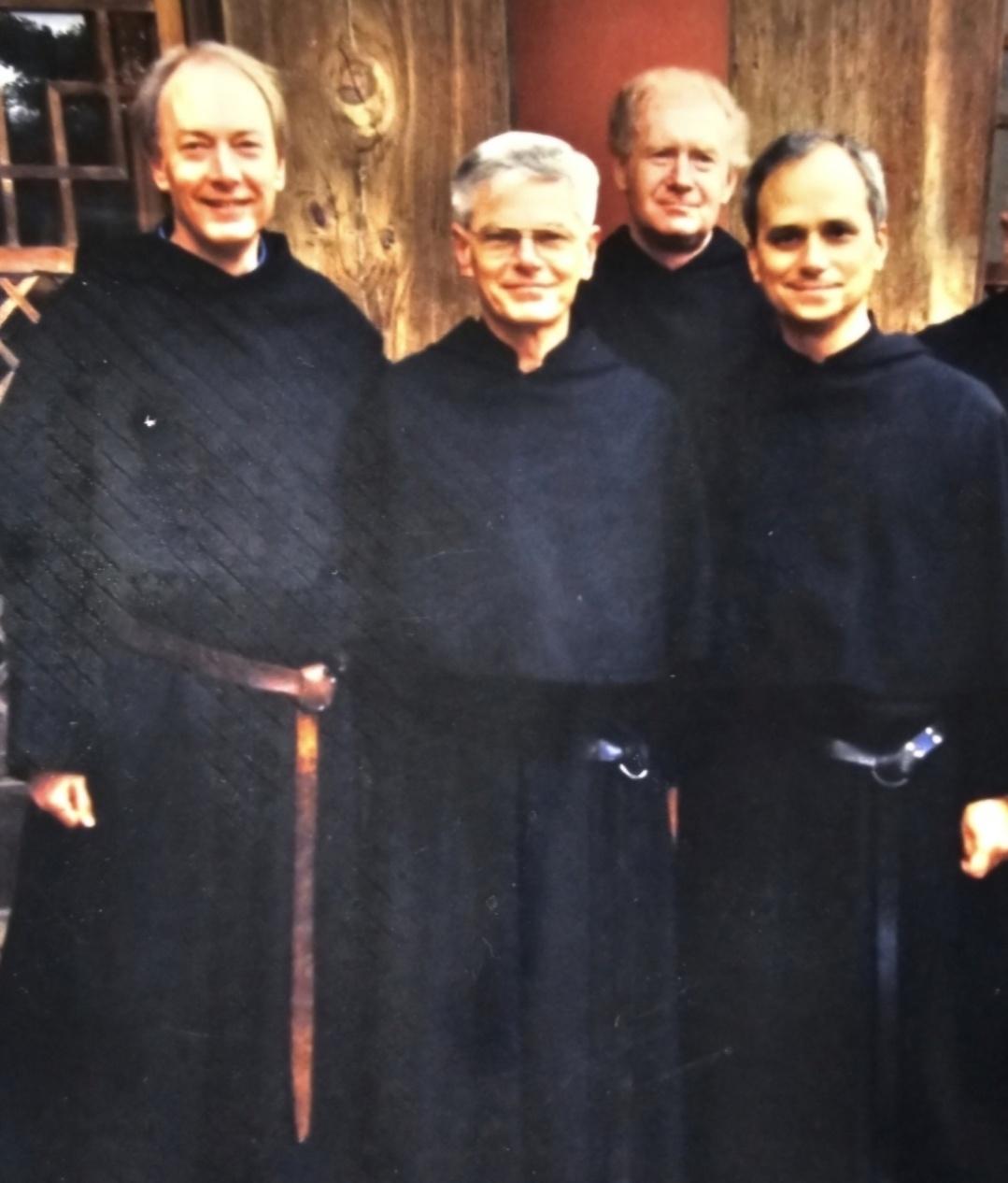
As another ‘son of Augustine’ as Pope Leo called himself, I along with my confreres were over the moon to think one of our own was chosen by the Holy Spirit to lead the Catholic Church at this very important moment of its history. We have all been digging through our old photo albums and emails to recall our own particular contact with him when he was our Prior General.
When thinking of how Bishop Robert Prevost was elected Pope, it’s only natural to consider why he was chosen, and chosen so relatively quickly and decisively. I’ve also considered this question and in doing so realised the great advantages Robert Prevost had over former modern popes in regard to his wide background experiences on multiple fronts. His predecessors were mainly involved in their own country before their election with the exception of Pope Benedict who worked in Rome under Pope John Paul II for nearly 24 years.
Robert Prevost really hit the tarmac running when it comes to considering his experience and knowledge of the Church and its situation right around the world. He won’t have to wait for the Bishops of different countries to make their traditional ad limina visits to Rome to tell him about their problems and hopes. Nor will he have to wait until he makes a Papal visit to this country or that. He possibly will already have visited that country as many as four times.
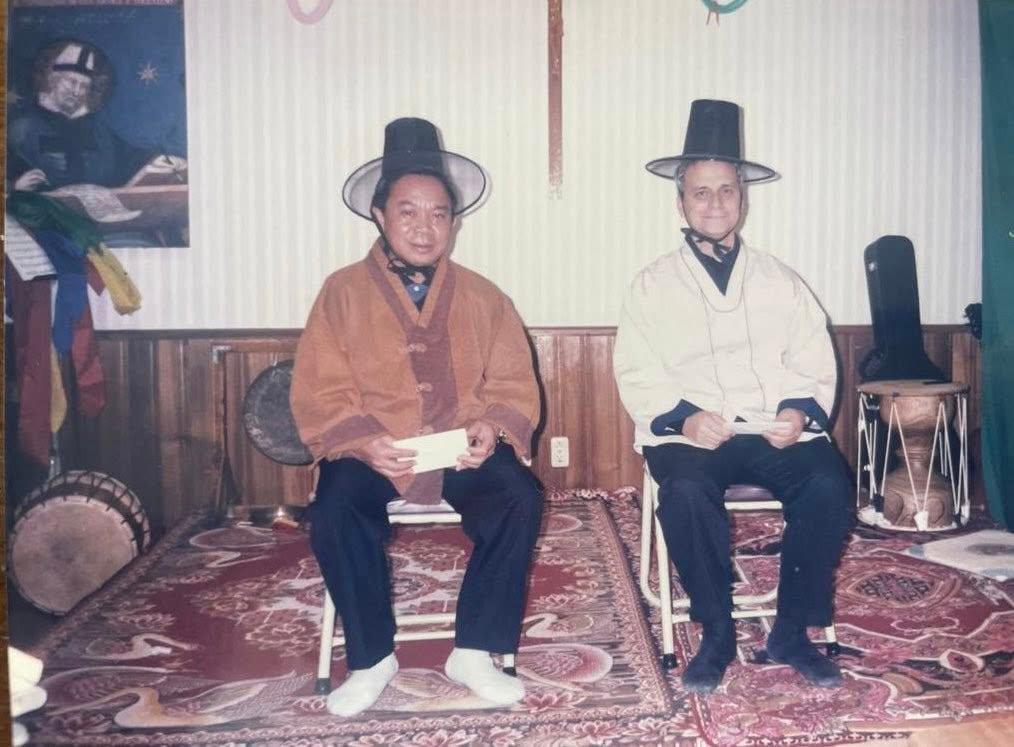
This comes from his 12 years (2001 – 2013) as Prior General of the Augustinian Order which while quite small numerically at 2,800 friars (priests and brothers) when compared to the Jesuits, for example, with over 14,000 members, is nevertheless spread throughout the world in some 57 different countries, all of which he would have visited, from Papua Indonesia to South Korea (4 times while I was there) to Tanzania to Poland to North, Central and South America. He’s experienced them all.
As we’ve probably heard, while Pope Francis never managed to visit Australia, Pope Leo has visited 6 times already and even said an outdoor Mass on Collaroy Beach, North Sydney, for young people during World Youth Day in 2008. In each country he visited he would have met at first hand with the difficulties faced by the Church in that country, its customs, culture, its politics and its history.
The second advantage Pope Leo has over his predecessors is his knowledge of modern languages – Italian, Spanish and English with a likely proficiency in French because of his family background. What a great thing to be able to move away from those scripted pages of Italian (which he speaks beautifully by the way) and to break out into English or Spanish. How much more accessible must his communication be to so many more people. And as for ancient languages he has Latin which he would have studied as a Canon Lawyer and high-level church leader. We heard how effortlessly he reads Latin at his inauguration Mass.
Another advantage is Pope Leo’s experience as a missionary, firstly as a priest in Chulucanas, Peru, where he actively ministered to remote church communities and then as a Bishop of Chiclayo where he had to aid flood victims and purchase oxygen plants during the COVID-19 years. These 12 years have given him first-hand knowledge of the people’s pastoral needs, of what it’s like to live on the margins, the needs of indigenous peoples and the role of devotion in the lives of ordinary believers.
Pope Leo has also had experience in the role of training of Augustinian seminarians in Trujillo Peru where he also taught canon law to diocesan seminarians. As Bishop for 8 years he served on the Peruvian Bishops’ Conference and he also held active liturgical and leadership roles within CELAM (Latin American and Caribbean Episcopal Council) and so brings this whole Latin American pastoral experience to the global church.
Neither did Robert Prevost come to Rome as an ingénue who would be engulfed by Vatican bureaucracy. During his 12 years as Prior General in Rome he would have had to deal with the various dicasteries (departments) of the Vatican, especially the one which oversees the governance and discipline of religious orders and congregations. Then in January 2023 he was appointed Prefect of the Dicastery which oversees the selection of bishops for around the world. This has given him inside knowledge of global dioceses. He met every Saturday for nearly two and a half years with Pope Francis to present and discuss with him episcopal candidates. He would present to Francis a recommended list (terna) of three candidates for appointment as bishops whereon the pope made the final decision.
So Pope Leo is well placed to carry on Pope Francis’ vision for the Church, through knowing him personally ever since his time as bishop in Peru to his experience of the synodal process in Rome over which he must now preside as it moves into its third Implementation Phase.
Pope Francis appointed the first woman ever to lead a Vatican dicastery, namely the one dealing with both men’s and women’s orders, congregations and societies of religious life. Again Pope Leo, having been Prior General of a men’s religious order, had also some 709 contemplative Augustinian nuns living in monasteries in some 14 different countries who were also under his jurisdiction. These cloistered Augustinians are bound in obedience to the Prior General according to each of their Constitutions. In other words, he was their last court of appeal whenever problems arose. So he knows firsthand of the workings and challenges of religious life for both men and women.
Like most punters on the outcome of the recent conclave, I never thought they would vote in an American. But here we have the first American Pope, while having dual citizenship as a Peruvian since 2015. Being an American, he may be able to better heal the cultural divide that is evident in the American Catholic church as it is in the country as a whole and by his leadership encourage the American Bishops to speak out more on social justice issues that take in the right to life – not just at the beginning and end of our lives – but right throughout our lives to include, for example, the right to employment and the right to health care. He is also conscious of the challenges of AI, seen as the new Digital revolution as Leo XIII addressed the excesses of the Industrial revolution at the turn of the 19th century. He mentioned the topic twice within a few days of his inauguration.
Finally, what about Pope Leo as a man? What sort of a person is he? In my experience he is calm, friendly, measured, decisive and a good listener. Once when we were having a crisis with one of our members in South Korea, we sought his help and he immediately flew to us from the US. We were very embarrassed to find out later that he was actually on holidays with his family at the time. Nevertheless, he came. I suppose I have known some 5 prior generals, two Americans, two Spanish and one Irishman but he is the only one I just naturally kept in contact with after he had finished his time in office. I used to write once a year around Christmas – New Year to tell him how things were going in the Korean delegation and about myself and he inevitably replied – promptly – right up to and after his appointment as Pope. I don’t know whether they will shut down his private email in the future…
I believe the book, ‘Leo XIV – An Apostle of Peace’, by Samuel Pruvot will prove to be a good introduction to the background of this remarkable man and of the workings of the Conclave that elected him. At just over 100 pages it is very readable and each chapter is divided into many sub-headings so that it can easily be put down and taken up again to read another interesting topic. Thank you.
John L. Sullivan OSA
19/07/2025