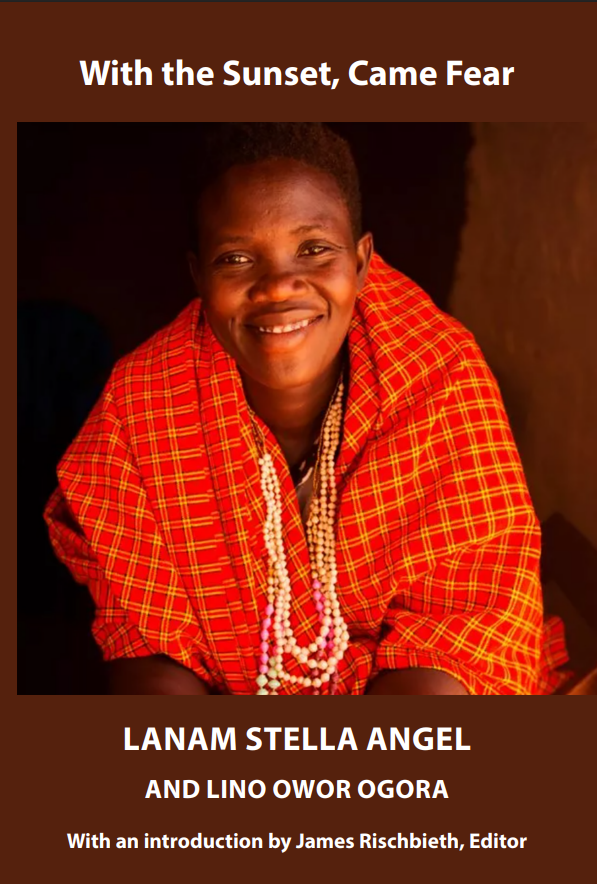
Description
About the book
At the height of the brutal LRA insurgency in northern Uganda, nine-year-old Stella Lanam leaves her home in Walukuba, Jinja for what should have been a simple visit to her grandmother in Madi-Opei. Instead, she is abducted by the Lord’s Resistance Army, thrust into the horrors of child soldiering, and forced into a violent marriage with a rebel commander. Over ten years in captivity, Stella endures unimaginable trauma—and survives before making a daring escape. But freedom is just the beginning. Returning home, she faces yet another battle—one for survival in a fractured society still healing from the wounds of war. In a world that has moved on without her, where everyone bears scars, Stella must confront the pain of her past and navigate her future.
About the authors
Stella Lanam is the founder of the War Victims and Children Networking (WVCN), a community based membership organization for female victims of the Lord’s Resistance Army (LRA) war in northern Uganda. Established in 2017 and formally registered in January 2018, WVCN works to improve the lives of former LRA abductees, particularly women and children born in captivity. Today, WVCN has a membership of over 1,000— all former abductees. Through this platform, Stella continues to advocate for reparations, economic empowerment, and the wellbeing of survivors.
Lino Owor Ogora is a human rights and peace building practitioner who has worked with conflict affected communities in northern Uganda since 2006. He is the founder of the Foundation for Justice and Development Initiatives (FJDI), an independent non governmental organization established in 2015 that has continued to work with children, youth, women, and communities to promote justice, development, and economic recovery in northern Uganda. Its mission is to address the long term impacts of the conflict by advocating for redress of human rights violations, supporting sustainable development initiatives, and advancing economic empowerment for survivors. One of FJDI’s most significant contributions has been the promotion of memory and memorialization as a pathway to long term healing for conflict affected communities. After founding FJDI, Lino moved on to pursue a career in human rights and peace building with the United. He continues to be in touch with conflict-affected communities in northern Uganda and to support when the opportunity presents itself.
Both FJDI and WVCN remain actively engaged in post conflict interventions for survivors and affected communities in northern Uganda. Yet, the greatest challenge continues to be funding. While northern Uganda may project a façade of peace and prosperity, the reality for survivors is starkly different. Both organisations therefore welcome support in any form to sustain their work.