Description
About the book
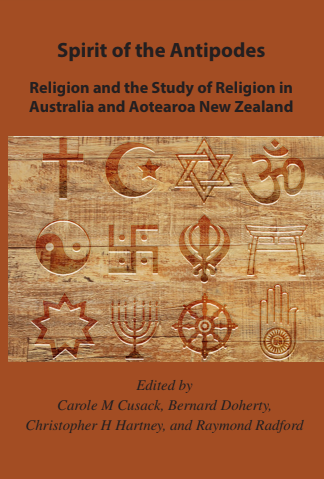
This volume is a valuable snapshot of the teaching and researching of religion in Australian and Aotearoa New Zealand at the close of the first quarter of the twenty- first century. The great breadth of teaching and research is demonstrated, and the value of documenting the achievements of forerunners and colleagues is clear. The importance of this area of study is acutely obvious, too, which is disturbing given the threats to the Humanities and Social Sciences in the Antipodean tertiary education sector and the decline of Religious Studies departments and dedicated programs in the Antipodes. The Editors thank the contributors for their expertise and collegiality, for their patience and good humour, as well as grit and determination in sticking with the project, and express the hope that the volume gains a wide and appreciative audience.
About the editors
Carole M Cusack is Professor of Religious Studies at the University of Sydney. She trained as a medievalist; her doctorate was published as Conversion Among the Germanic Peoples (Cassell, 1998). She now primarily researches contemporary religious trends and Western esotericism.
Bernard Doherty is the current Associate Head of School and Course Director in the School of Theology at Charles Sturt University, Australia. He is an associate professor in the School of Theology and a research fellow in the Centre for Religion, Ethics and Society (CRES) at Charles Sturt University, based at St Mark’s National Theological Centre, in Canberra.
Christopher H Hartney is a senior lecturer and chair of the discipline of Studies in Religion at the University of Sydney. He specialises in sacred creativity, religion and violence, and in the new religions of East Asia.
Raymond Radford gained his PhD in Studies in Religion at the University of Sydney. His work covers a variety of topics relating to new religious movements, conspiracies, nostalgia, hauntology, and memory studies, and in particular how these combine to create new counter-narratives that become both competing and dominant narratives for marginalised communities.